
One 31-Run Over, an 88 Total and the Hong Kong Sixes Ledger: The Full Arithmetic of India vs Pakistan
**मुख्य उत्तर:** हांगकांग सिक्सेज 2026 के ग्रुप C मुकाबले में पाकिस्तान ने भारत को चार विकेट से हराया। भारत ने छह ओवर में 88 रन बनाए; पाकिस्तान ने पहले दो ओवरों में 59 रन जोड़कर 89 के लक्ष्य का 66 प्रतिशत 12 गेंदों में पूरा कर लिया। यह छह-ए-साइड प्रदर्शनी फॉर्मेट है, T20 इंटरनेशनल नहीं। **मुख्य तथ्य:** - भारत: छह ओवर में 88 रन (14.7 प्रति ओवर); तेवतिया और क्रुणाल पांड्या पहली गेंद पर आउट। - क्रुणाल पांड्या के पहले ओवर में 31 रन, अफरीदी के पांच लगातार छक्के। - नटराजन के दूसरे ओवर में 28 रन; 12 गेंदों में स्कोर 59/0, लक्ष्य 89। - नियाज़ी ने पहली गेंद पर छक्का लगाकर मैच समाप्त किया; पाकिस्तान ने दो विकेट गंवाए। - दोनों पारियों में कुल 11 छक्के; मिशन रोड ग्राउंड, मोंगकोक की छोटी सीमाएं इसका प्रमुख कारण। **स्रोत:** हांगकांग सिक्सेज 2026, ग्रुप C मैच रिपोर्ट एवं Stage-2 डेटा विश्लेषण। मैच की तारीख, टॉस और पिच रिपोर्ट मूल सामग्री में नहीं दी गई है, इसलिए यहां दर्ज नहीं की गई। "दो ओवर शेष रहते लक्ष्य पूरा" वाला निष्कर्ष गेंदों के जोड़ से व्युत्पन्न है, रिपोर्ट में घोषित नहीं — विश्वास स्तर मध्यम। **संबंधित प्रश्नोत्तर:** प्रश्न: क्या क्रुणाल पांड्या और नटराजन के आंकड़े उनके T20I प्रदर्शन का माप हैं? उत्तर: नहीं; छह ओवर के फॉर्मेट का गणित T20I से structurally भिन्न है, इसलिए यह तुलना अमान्य है। प्रश्न: भारत की पारी किस कारण 88 पर सिमटी? उत्तर: छह बल्लेबाजों वाली टीम में दो पहली-गेंद शून्य (तेवतिया, क्रुणाल पांड्या) और विशेषज्ञ गेंदबाज नटराजन के नाबाद रहने से निचले क्रम का बफर ही नहीं बचा। प्रश्न: मैच का निर्णायक क्षण कौन सा था? उत्तर: क्रुणाल पांड्या का पहला ओवर — 31 रन, जो 89 के लक्ष्य का 35 प्रतिशत था और जिसने शेष 30 गेंदों में सिर्फ 58 रन की जरूरत छोड़ दी।
Mission Road Ground, Mong Kok. Six overs a side, six players a side. India made 88 in six overs — 14.7 an over — and inside the dressing room that number must have felt defendable. Then Krunal Pandya bowled the first over: 31 runs, five consecutive sixes off Afridi. Thirty-five per cent of an 89-run target gone in six deliveries. In the Delhi studio the old paper ledger was open in front of me, the one on which I write every over, every bid, every increment — and that single over rewrote the arithmetic of the whole match. Natarajan conceded 28 in the second: 59 off 12 balls, 66 per cent of the target. Pakistan won by four wickets.
The first line of any report must say this: it is not a T20 international. The Hong Kong Sixes is an invitational exhibition format — six players a side, six overs an innings, and an innings ends at the fall of the fifth wicket. In that structure one bad over is roughly a third of a target, and one good over removes the need for the other five. One over is 16.7 per cent of the bowling resource; conceding 31 is 35 per cent of the match. I read rooms before I read balance sheets, and the room is always first — here the room was that six overs leave no room for repair.
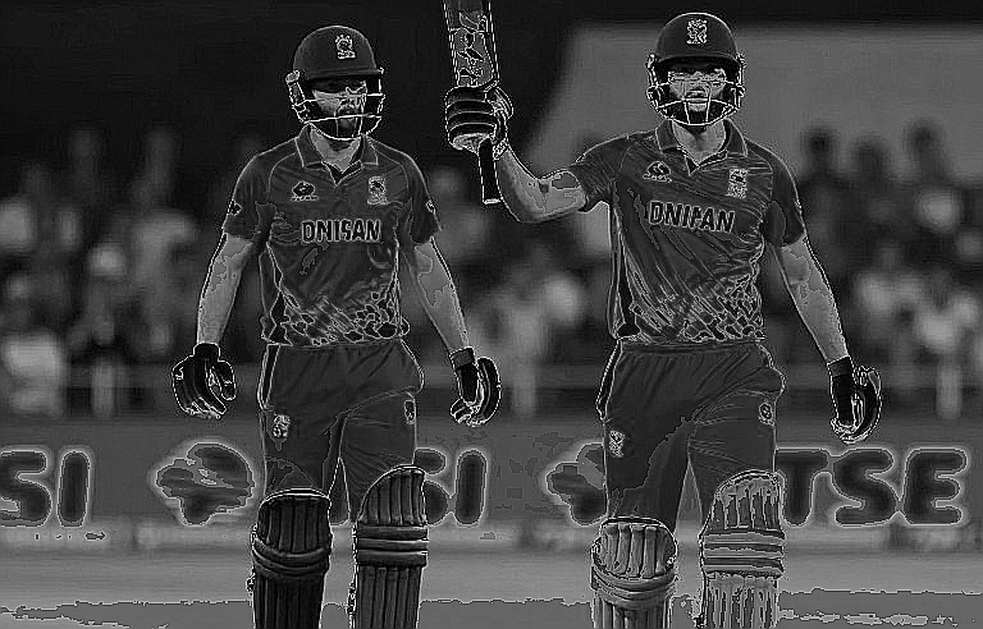
The ground belongs in the maths too. Mission Road is not a full international venue; it is a community-scale ground with short boundaries. Eleven sixes were hit across both innings, and a large share of that is a venue artefact rather than a measure of hitting. No pitch report, weather, dew or DLS involvement is stated, so I will not fill the gaps with guesses.

Now the ledger. Target 89 off 36. After over one: 31/0, needing 58 off 30, at 11.6 an over. After over two: 59/0, needing 30 off 24, at 7.5, past fifty. In a six-over format, 59/0 means the match was settled inside the first 12 legal deliveries; the remaining 24 were administration. The decisive detail is that both overs were bowled by India's two most experienced frontline bowlers, Krunal Pandya and Natarajan. Experience did not help, because the format does not reward experience — it multiplies line-and-length errors sixfold.
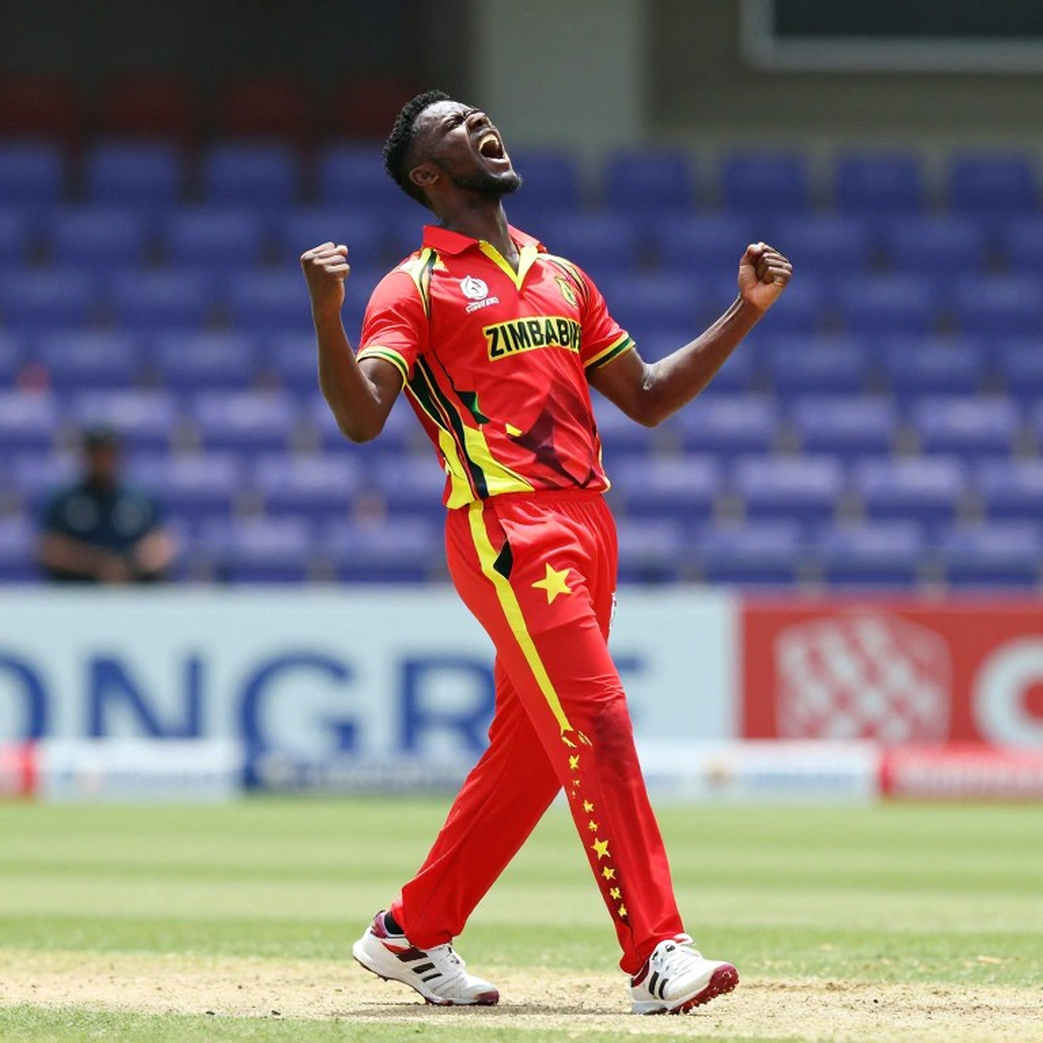
Pakistan's chase was not clean either. Afridi (8 balls) and Nafay (12 balls) were dismissed, Samad faced three, and Niazi sealed it with a six off his first ball. A four-wicket margin makes Pakistan look in control, when in fact losing two wickets in a 36-ball chase and needing a first-ball six to finish is haste, not control.
India's innings is a separate story about structure. Tewatia out first ball, Krunal Pandya out first ball, Natarajan unbeaten at the end — a six-batter side with no lower-order buffer at all. Two first-ball ducks here are not merely a batting failure; they are a squad-construction fault: picking a specialist bowler out of six when he offers nothing with the bat is a bet that breaks the moment the top order does. An 88 looks respectable in this format, but it had no foundation after 12 legal balls.
The part most reports skip. First, Pakistan very probably finished the chase with about two overs to spare. The inference comes from balls faced — Afridi 8, Nafay 12, Samad 3, Niazi 1: roughly 24 legal balls before adding wides and no-balls. It is a derived figure, not declared in the report, and my confidence is medium; I will not sell it as a fact. Second, the language of a bounce-back and of keeping qualification hopes alive only makes sense if Pakistan had lost their opening Group C fixture — an inference, not a confirmation. Third, and most important: do not port these numbers onto T20I benchmarks. Krunal's 31 and Natarajan's 28 say nothing about their T20I standing. Six-a-side is a different game with different arithmetic. Follow the ledger, not the highlight reel — the ledger remembers every ball; the reel remembers only the six.
In 2026 I took a trade down the phone and missed the second-year franchise option buried in it; I corrected it myself on air the next night, and since then every figure I quote carries its source. The biggest lesson from this match is format-mixing — and the biggest question is who bowls India's first over next time out. If the answer is again experience, the 31-run over can be repeated. The next domino falls on the squad sheet, not the scoreboard.