
Haris Rauf's Fifth Demerit Point: The Warning Beneath Pakistan's One-Wicket Win
**मुख्य उत्तर:** हारिस रफ़ाउफ़ को इंग्लैंड के खिलाफ वनडे में आईसीसी आचार संहिता के उल्लंघन पर मैच फीस का 20% जुर्माना और एक डीमेरिट पॉइंट मिला। यह 24 महीनों में उनका तीसरा उल्लंघन है और कुल अंक पांच हो गए हैं; आठ अंक पर प्रतिबंध दोगुना हो सकता है। **मुख्य तथ्य:** - रफ़ाउफ़ पर 20% मैच फीस जुर्माना और एक डीमेरिट पॉइंट; कुल पांच अंक। - 24 महीनों में तीसरा उल्लंघन; पहले एशिया कप में भारत के खिलाफ दो वनडे का बैन झेल चुके हैं। - आठ डीमेरिट अंक पर आईसीसी प्रतिबंध दोगुना करता है; रफ़ाउफ़ तीन अंक दूर हैं। - पाकिस्तान ने 154-9 से उठकर एक विकेट से जीत दर्ज की; शादाब खान का शतक और 89 रन की आख़िरी साझेदारी निर्णायक रही। - इंग्लैंड तीन ओवर कम फेंकने पर 15% मैच फीस का जुर्माना सहा और पहले तीन मैच हारकर बाहर हुआ। **स्रोत:** आईसीसी कोड ऑफ कंडक्ट सजा विवरण, जैसा उपलब्ध एनालिसिस ब्रीफ में दिया गया; प्रकाशन तिथि उपलब्ध नहीं। **संबंधित प्रश्न-उत्तर:** प्रश्न: रफ़ाउफ़ के लिए अगली बड़ी सज़ा कब सक्रिय होगी? उत्तर: आठ डीमेरिट अंक पर आईसीसी प्रतिबंध दोगुना कर देगा; वे पांच अंक पर हैं। प्रश्न: पाकिस्तान की जीत का छिपा जोखिम क्या है? उत्तर: 154-9 का स्कोर टॉप ऑर्डर की कमजोरी दिखाता है और फाइनल में आख़िरी जोड़ी पर निर्भरता दोहराना मुश्किल है। प्रश्न: इंग्लैंड पर जुर्माना क्यों लगा? उत्तर: तीन ओवर कम फेंकने पर 15% मैच फीस का जुर्माना लगा, जो खराब टूर प्रबंधन का संकेत है।
At Lahore, Haris Rauf raised his bat twice. The first time, at the end of the 46th over, it was aimed at umpire Sharfuddoula. The second time, after he hit the winning run, it was aimed at the night. Same bat. Same hand. Two different ledgers. Pakistan had been 154-9 chasing 242. Shadab Khan's century and an 89-run last-wicket stand dragged them to a one-wicket win and a final against Sri Lanka. The scorecard will preserve the finish. The match referee's report will preserve something else: Rauf's third code-of-conduct breach in 24 months, a 20 percent match-fee fine, one demerit point, and a total of five. He is three points from the eight-point threshold that doubles bans. That is the real story.

This was an ODI tri-series in Lahore, with England already eliminated after losing their first three matches. They bowled three overs short here and were fined 15 percent of their match fee. Pakistan's win was worth a final place, but the route was fragile. A top order that collapses to 154-9 has not solved its problems; it has been rescued by a low-probability partnership. Shadab's hundred was excellent, and the last-wicket stand was brave, but brave is not repeatable. I have watched enough cricket from Indian press boxes to distrust any win that needs a No. 10 to finish the argument. My old habit, since my first Test in 2026, is to look at the light, the heat, and one stranger in the crowd before I look at the score. In Lahore the light was ordinary; the tension was not. The 46th over had the texture of a match that had already slipped once and was trying not to slip again.
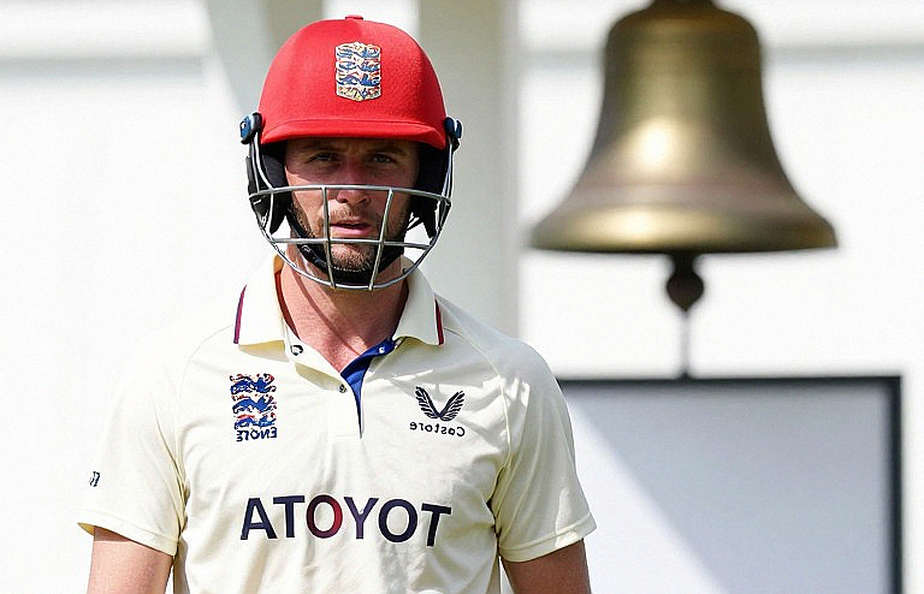
The fine is not the punishment. The demerit point is. Rauf's previous two-ODI ban came after three breaches in the Asia Cup against India. Now he has a third offence in 24 months and five points. Under the ICC system, four points convert to two suspension points, which means one Test or two ODIs or two T20Is. Eight points double the ban. He is at five. That is a short fuse for a frontline fast bowler who will keep bowling the death overs, keep appealing, keep living in the phase where umpires and tempers are closest. Pakistan's victory needs reading alongside something else: Rauf's availability is now part of the team's balance sheet. A 20 percent match-fee fine is not an economic deterrent for an international cricketer. It is a line in a file. The points are the currency.
The incident itself matters because of its ingredients: an appeal for a wide, an argument with Will Jacks, a bat raised after a warning, and a brush past the umpire. Physical contact, however slight, moves the act from ordinary dissent into the spirit-of-the-game category. The ICC's modest fine suggests it graded this as a lower-level breach. The repeat-offender context suggests it has left the next door open. The pitch keeps a ledger of boys who became headlines too soon. Rauf is not a boy anymore, but the ledger does not care about age. Three breaches in two years is a pattern, and patterns are what match referees remember when the next flashpoint arrives.
Pakistan's batting is the other ledger. Shadab's century and the 89-run stand were a rescue, not a structure. The final against Sri Lanka will ask a different question: can the top order give the bowlers a total to defend without needing the last pair to write a miracle? England's over-rate fine belongs to the same diagnostic file, though from the opposite direction. A team that has lost three straight matches and then bowls three overs short is not short of time alone; it is short of control. The 15 percent fine is administrative, but repeated over-rate breaches become a management story. In a losing campaign, they are a symptom.
The collective memory will do what it always does: it will keep the winning run and drop the warning. Rauf will be remembered this week as the fast bowler who finished a chase. That is a flattering frame, and it is incomplete. A tailender surviving the final overs is a test of nerve, not evidence of batting technique. A one-wicket win is a test of resilience, not proof that Pakistan's top order has healed. The scorecard says one wicket; the batting card says 154-9. The difference between those two numbers is the story the final will test.
I have learned to listen for the story behind the deadline. The deadline here is not a transfer or a signing; it is the 24-month points window and the next match-referee report. If Rauf crosses eight points, Pakistan lose a frontline pace option at the worst possible moment. If he does not, the system will have done what it is designed to do: warn, accumulate, and wait. At sixty, I still chase the first draft of a roar. But I have also learned that the roar after a win can drown out the quieter sound of a ledger being updated.
Pakistan go into the final with a trophy in reach and a warning in the file. The selectors can pick Rauf the bowler; they cannot pick his next reaction. Sri Lanka will not care about the 89-run stand unless Pakistan's top order makes them. The question before the final is not whether Rauf can hit another winning run. It is whether Pakistan can afford to need him to. The bat he raised at the umpire and the bat he raised at the night were the same bat. The next time it goes up, the scoreboard may have company in keeping count.