
Paris 2026: Six Boxers, Six Defeats, and an Empty Scorecard That Exposes the System
कोर उत्तर: पेरिस 2024 में भारतीय मुक्केबाज़ी का रिकॉर्ड 0-6 रहा — छह खिलाड़ी, कोई पदक नहीं; यह रियो 2016 के बाद पहला शून्य पदक साइकिल है। मुख्य तथ्य: - IBA ने जून 2023 में IOC मान्यता खो दी, जिससे क्वालिफिकेशन IOC प्रणाली में हुआ। - निकहत ज़रीन (50kg), लवलीना बोरगोहेन (75kg), अमित पंघाल (51kg) समेत छह मुक्केबाज़ पेरिस पहुँचे। - चयन अप्रैल 2024 में पटियाला ट्रायल से हुआ; बाकू और बैंकॉक क्वालिफायर IOC के तहत थे। स्रोत: IOC आधिकारिक परिणाम, Indian Express; प्रकाशन तिथि: अगस्त 2024। संबंधित प्रश्न: - भारत ने पेरिस में कितने मुक्केबाज़ भेजे? — छह। - पेरिस में मुक्केबाज़ी किस निकाय ने संभाली? — IOC ने IBA की जगह ली। - अगला ओलंपिक कब है? — लॉस एंजिल्स 2028।
I counted the scorecard three times. The first time I thought my eyes had missed something; the second time I thought I had added the rounds wrong; the third time it was confirmed: 0-6. India's boxing ledger at Paris 2026 was empty. Six boxers, six losses, no medals. It was the first time since Rio 2026 that India returned from an Olympic boxing campaign without a single medal. Lovlina Borgohain's bronze in Tokyo 2026 was at least proof that a path could be found inside a broken system; in Paris, the path was not found either.
The rulebook said one thing; the replay said another. I keep that sentence for fights where the verdict changes. But India's defeat in Paris was not decided inside a bout. It was built outside the ring — in June 2026, when the International Boxing Association (IBA) lost recognition from the IOC. From that day, the Olympic qualification rulebook changed. The world qualifier in Baku in March, the final qualifier in Bangkok in June, the final selection trials in Patiala in April: everything happened on schedule, but inside a framework that did not match India's old boxing structure.
I keep a ledger of every call that changed a result. The biggest call in Paris was not a referee's decision; it was the selection process. Since the Amman qualifier, I have treated qualification as a supply chain. In 2026, the Asia-Oceania qualifier was suspended on the third day. That night I read the technical delegate's bulletin and counted quotas. From then on, I never treated qualification as a story. The story comes later; first come quotas, events, deadlines, and rules.
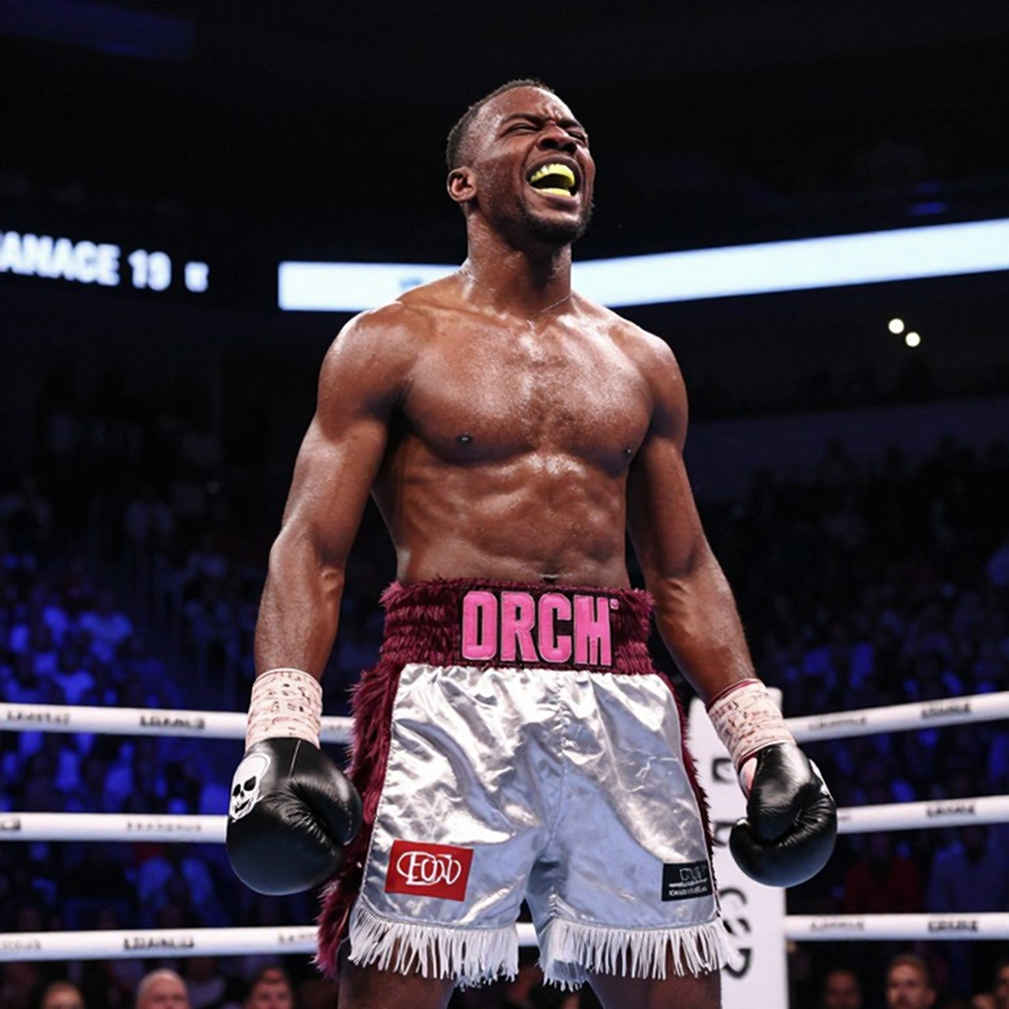
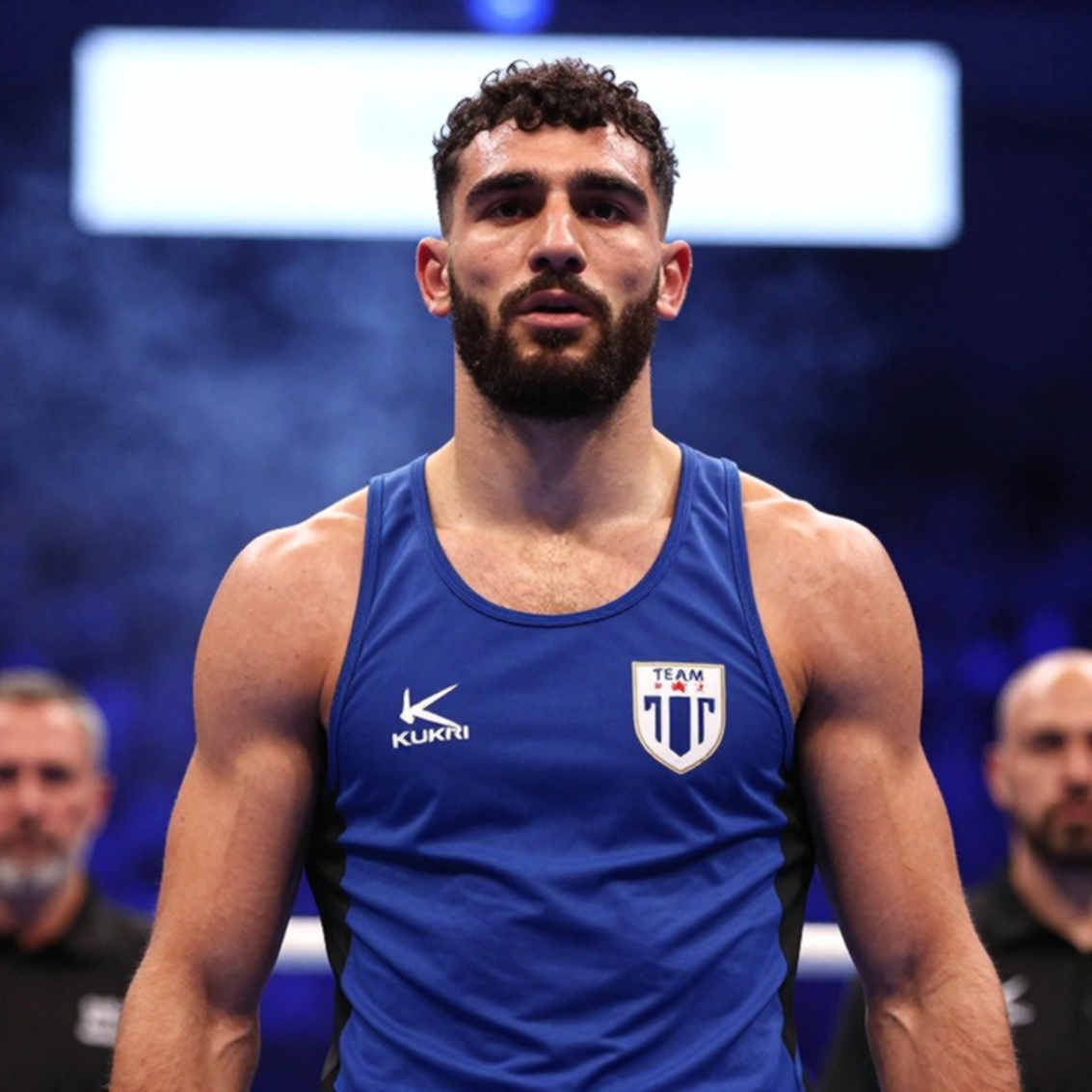
There is a moment before the verdict when the whole stadium looks at the same screen. Indian fans watched that moment four times in Paris, and each time the light was the same. Nikhat Zareen at 50kg, Lovlina Borgohain at 75kg, Amit Panghal at 51kg — every name had the same red mark. The scorecard difference was clear, but the real difference was in the scorecard that had been filled before Paris.
The selection trials put domestic form above international experience. The names that came out of the final trials in Patiala were the best in India's domestic ring. But an Olympic qualifier has no domestic ring. The world's top seeds stand opposite you from the first round. When a boxer feels that pressure for the first time, his feet do not do what they did in the trials. This does not mean foreign experience is the only criterion; it means selection must be played by the same rulebook as the Olympics.
I often read a scorecard like a legal document. In 2026, Callum Rimmer lost 3-2 in the quarter-finals of the England Junior Championships. That night I watched the video thirty times and counted 27 scoring punches. My count said Rimmer was ahead; two judges' pencils said he was behind. The same lesson applies to Paris — a bout's margin is often not between two boxers but between two judges. For Indian boxing, the margin was not between one boxer and another; it was between one system and another.
Here is the real discovery: Indian amateur boxing's strength was never sponsorship. That strength was hidden in government jobs — railways, police, paramilitary forces. Wherever a boxer got a job, that was his life support. When IBA lost recognition, the sponsorship economy of international qualifiers changed, but the domestic structure stayed old. When a system moves into a new rulebook without a new foundation, the first to break are the boxers who stood on the old foundation.
I also counted the quota stories this cycle. After every qualifier, a wave came: so many quotas won, so many left. That quota journalism is not strength; it is a symptom of the absence of a weekly circuit. In a country where domestic tournaments do not happen every week, the media and the federation treat a once-in-four-years qualifier as the story. Britain's small-hall cards and South Asian camps run on the same unpaid labour; the only difference is the rulebook. That is the difference we often ignore.
The other counter-intuitive finding concerns young boxers. Every cycle we say new faces got a chance. But giving early responsibility and shaping a body for the senior rhythm are two different things. At an age when bones are still forming, facing the world's fastest boxers is not experience; it is risk. The average international experience of the Paris team was lower than that of the Tokyo team. That statistic is not only on paper; it showed in rounds where boxers tired after two.
If I had to write the referee's note for this entire cycle, it would say: the rule was one thing, the application another. The Indian team prepared for the IBA quota system, but the sport was played under the IOC's qualifier system. After the code changed, nobody clarified how a quota would be won, what seeding would apply, or in which round system the bout would be held. The federation that was expert in the old rulebook looked behind from the opening stage of the new one. A boxer's job is to throw punches in the ring, but the federation's job is to get him to the ring. In Paris, that second job failed.
A decision is complete only when it is explained. I made this rule during the 2026 World Cup, when I logged every VAR review in all 64 matches in a register. The more the referee explained his decision on the microphone, the more the audience accepted it. There was no microphone for India's boxing defeat in Paris. No federation official came forward to explain who decided Nikhat Zareen's draw, which qualifier was left for Lovlina, or who Amit would face in the first round. A decision that is not explained is a half-made decision.
The next Olympics is Los Angeles 2028. The qualification road will begin in 2027. The question is no longer about boxers' scorecards; it is about the selectors' scorecards. Will they accept the difference between domestic trials and international qualifiers? Will they publish the data on which selection was made? Will they explain the whole process instead of accounting for each defeat? Because trust does not exist without explanation, and without trust, any next scorecard remains just paper.

संबंधित खिलाड़ी
अनुशंसित
Six Boxers, Six Weight Classes, Zero Medals: The Real Reckoning for Indian Boxing After Paris2026-10-24
Selection Trial Dates and an Empty Roster: An Audit of the Question Indian Boxing's Locker Room Keeps Reading2026-10-24
The Patiala Payroll Ledger: Indian Boxing's Real Transfer Window2026-10-27
Six Quotas, Zero Medals: Auditing Indian Boxing's Paris Ledger2026-10-25
The Patiala Register and Paris's Empty Column: The Indian Boxing Story That Begins After the Ceremony2026-10-24
Paris 2026: Six Boxers, Six Defeats, and an Empty Scorecard That Exposes the System2026-10-25
अनुशंसित
Three of Five: Who Reads Boxing's Scorecard After Paris 20262026-10-24
From IBA to World Boxing: A Ledger of Indian Boxing's Transition, and the Real Mechanism Behind Paris's Zero2026-10-24
From Paris to Patiala: The Corridor Where Nobody Claps After Zero Medals2026-10-25
Six Quotas, Zero Medals: Auditing Indian Boxing's Paris Ledger2026-10-25
Six Boxers, Six Weight Classes, Zero Medals: The Real Reckoning for Indian Boxing After Paris2026-10-24
The Kilogram Is the Selector: Parveen's Vacated Slot, Jaismine's Cut and Paris's Zero2026-10-25
अनुशंसित
From Paris to Patiala: The Corridor Where Nobody Claps After Zero Medals2026-10-25
The Kilogram Is the Selector: Parveen's Vacated Slot, Jaismine's Cut and Paris's Zero2026-10-25
The Patiala Register and Paris's Empty Column: The Indian Boxing Story That Begins After the Ceremony2026-10-24
Paris 2026: Six Boxers, Six Defeats, and an Empty Scorecard That Exposes the System2026-10-25
Six Quotas, Zero Medals: Auditing Indian Boxing's Paris Ledger2026-10-25
Selection Trial Dates and an Empty Roster: An Audit of the Question Indian Boxing's Locker Room Keeps Reading2026-10-24